
The Effect of Polluted Water on Human Health
There is direct connection between pollution and health problem. Disease causing microorganisms are known as pathogens and these pathogens are spreading disease directly among humans.
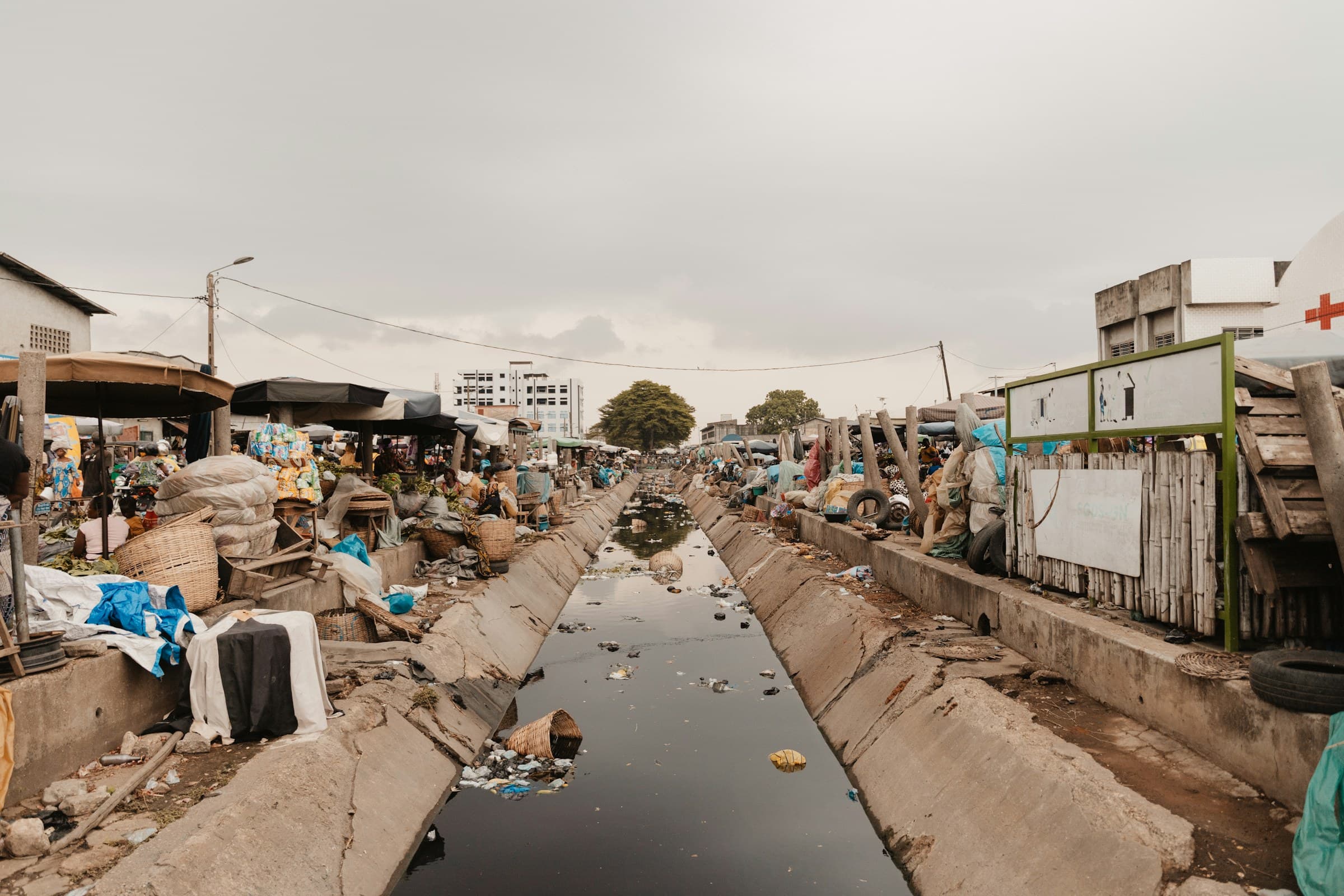
In this article 6 sections
According to the World Health Organization (WHO), 80% of diseases are water-borne.
Water pollution occurs when undesirable materials enter in to water, changes the quality of water and it becomes harmful to environment and human health.
Drinking Safe water
Safe drinking water is necessary for human health all over the world. Being a universal solvent, water is a major source of infection. According to world health organization (WHO) 80% diseases are water borne.
What are the major causes of Water Pollution?
Discharge of domestic and industrial effluent wastes, leakage from water tanks, marine dumping, radioactive waste and atmospheric deposition are major causes of water pollution.
Water pollutants are fast killing aquatic lives that serve as food for human and causing loss aesthetics to the environment.
Sources of Water Pollution
Major sources of water pollution Domestic sewage, Industrialization, Population growth, Pesticides and fertilizers, Plastics and polythene bags, Urbanization, Weak management system It has been reported that 75 to 80% water pollution is caused by the domestic sewage. Domestic sewage contains toxicants, solid waste, plastic litters and bacterial contaminants and these toxic materials causes water pollution.
Waste from Industries
25% pollution is caused by the industries and is more harmful. Waste from the industries like, sugar, textile, electroplating, pesticides, pulp and paper are polluting the water. Hazardous material discharged from the industries is responsible for surface water and ground water contamination. Contaminant depends upon the nature of industries. Toxic metals enter in to water and reduced the quality of water .Polluted river have intolerable smell and contains less flora and fauna. Large amount of domestic sewage is drained in to river and most of the sewage is untreated.
Increasing population is creating many issues but it also plays negative role in polluting the water. Increasing population leads to increase in solid waste generation. Solid and liquid waste is discharged into rivers. Water is also contaminated by human excreta. In contaminated water, a large number of bacteria are also found which is harmful for human health. Urbanization can cause many infectious diseases. Overcrowding, unhygienic conditions, unsafe drinking water are major health issues in urban areas. Pesticides are used to kill bacteria, pest and different germs. Chemical containing pesticides are directly polluting the water and affect the quality of water which leads to eutrophication.
Hazardous material discharged from industries is responsible for surface water and ground water contamination.
Large amount of domestic sewage is drained in to river and most of the sewage is untreated.
In contaminated water, a large number of bacteria are also found which is harmful for human health.
The Effect of Polluted Water on Human Health
There is direct connection between pollution and health problem. Disease causing microorganisms are known as pathogens and these pathogens are spreading disease directly among humans. Many water borne diseases are spreading man to man. Heavy rainfall and floods are related to extreme weather and creating different diseases for developed and developing countries. Many waterborne infectious diseases are linked with fecal pollution of water sources and results in fecal-oral route of infection. Health risk associated with polluted water includes different diseases such as respiratory disease, cancer, diarrheal disease, neurological disorder and cardiovascular disease. Nitrogenous chemicals are responsible for cancer and blue baby syndrome. Poor people are at greater risk of disease due to improper sanitation, hygiene and water supply. Contaminated water has large negative effects in those women who are exposed to chemicals during pregnancy; it leads to the increased rate of low birth weight as a result fetal health is affected.
Poor quality water destroys the crop production and infects our food which is hazardous for aquatic life and human life.
Conclusion and Recommendations
Water pollution is a global issue and world community is facing worst results of polluted water. Major sources of water pollution are discharge of domestic and agriculture wastes, population growth, excessive use of pesticides and fertilizers and urbanization. Bacterial, viral and parasitic diseases are spreading through polluted water and affecting human health. This a wakeup call for the government to pay a great attention to the public health of her citizenry and the environment. And this can be achieved by implementing wastewater treatment disposal systems that will process the effluent before entering in to river. Educational and awareness programs should be organized to control the pollution. Source: Allied Academies (Courtesy: Mehtab Haseena et.al, 2017: Water pollution and human health, Environmental Risk Assessment and Remediation (2017) Volume 1, Issue 3)
Keep the conversation going.
Speak with our team about this story or your next project.